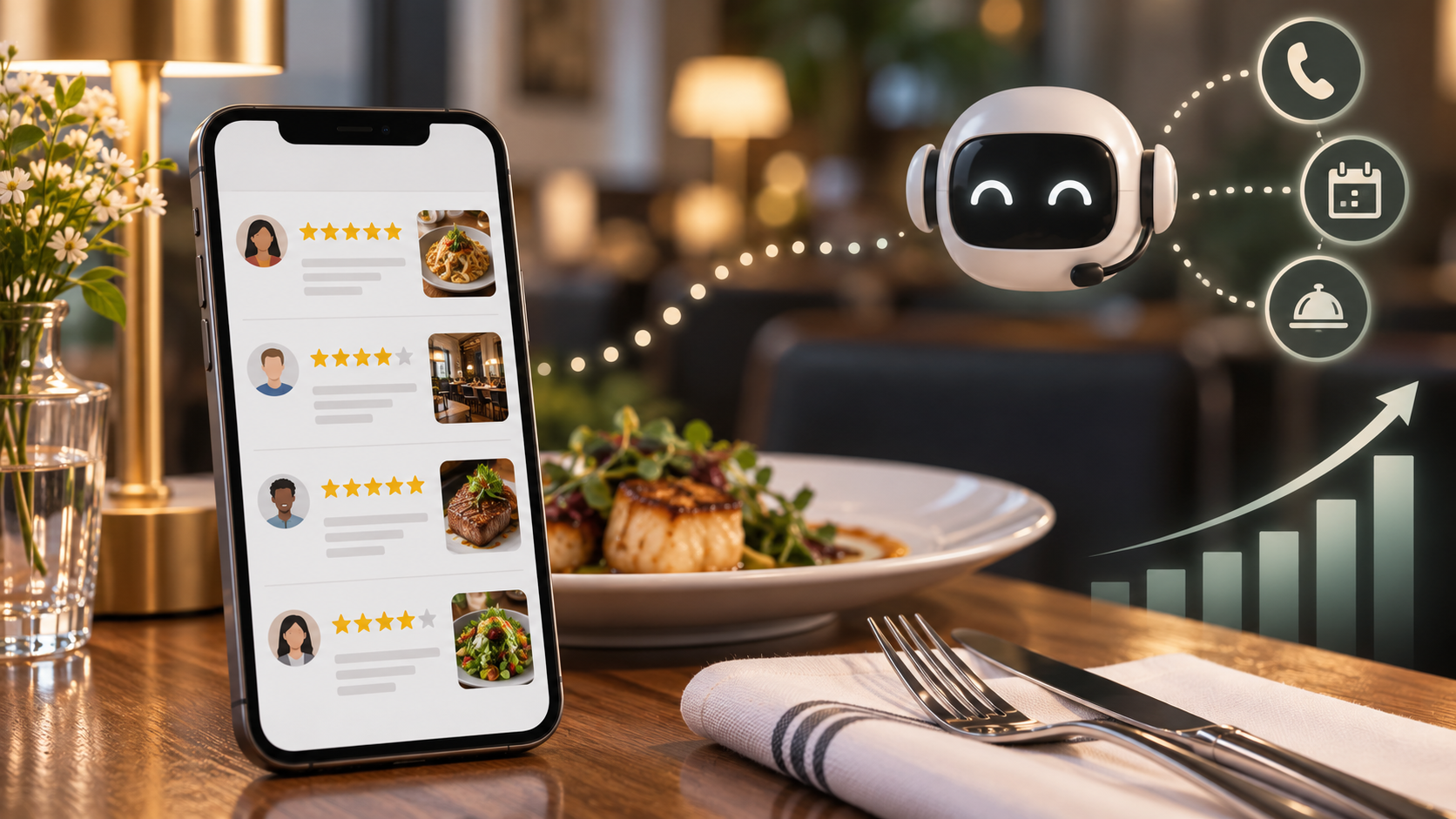
Think about the last time you picked a restaurant you'd never been to. Odds are you checked the reviews first. Your future guests are doing the exact same thing, and the words they find there, whether recent or stale, detailed or vague, are shaping whether they book a table or keep scrolling. That decision often happens in seconds, scrolling on a phone before a single dish has even reached the table, which means a restaurant's reputation is being written and rewritten online long before a guest ever walks through the door.
TLDR:
In today's digital-first world, restaurant success hinges on more than just great food and ambiance. Online reviews have become a key factor in determining a restaurant's popularity and profitability. Operators across the restaurant industry have seen firsthand how customer feedback can make or break a business.
Recent studies have shown that a one-star increase in a restaurant's Yelp rating can lead to a 5-9% increase in revenue. That's a significant boost that can mean the difference between thriving and barely surviving in this competitive industry.
But why are reviews so impactful? Let's break it down:
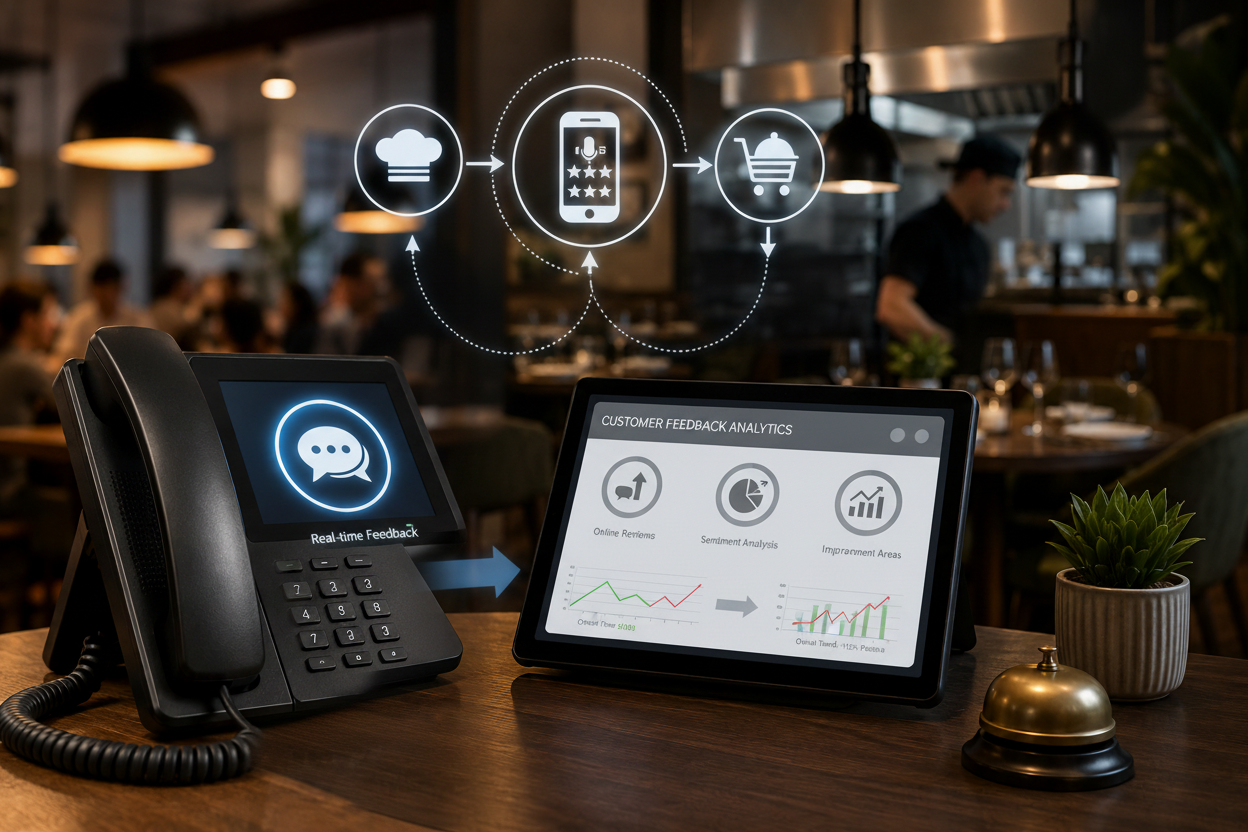
According to BrightLocal's Local Consumer Review Survey 2026, reading reviews before choosing a local business, including a restaurant, is now close to universal among U.S. consumers. That level of reach makes managing your online presence a core part of running a restaurant, not an afterthought.
To understand the true impact of reviews, let's look at the phenomenon known as "The Keith Lee Effect." Keith Lee, a TikTok food critic, has shown the incredible influence that a single review can have on a restaurant's success.
In numerous cases, Lee's reviews have turned struggling restaurants into overnight sensations. This real-world example shows how powerful positive reviews can be in driving foot traffic and boosting sales.
Given the importance of reviews, how can restaurants harness their power? Here are some effective strategies:
Implementing these strategies can help restaurants build a positive online reputation, which is key for attracting new customers and retaining existing ones.
With the volume of reviews restaurants receive, managing them can be a full-time job, and that workload is one reason AI adoption keeps climbing. A restaurant AI adoption survey from the National Restaurant Association found more than a quarter of operators already use AI in some part of their operations. This is where technology comes into play. Tools like Loman AI's 24/7 AI Phone Agent can help restaurants handle customer interactions, making sure no feedback falls through the cracks. Tony Boloney's, for example, reported adding 75 to 100 extra orders per month per location after switching phone answering to a restaurant voice AI agent.
By using AI to manage calls, take orders, and book reservations, restaurants can free up staff to focus on providing excellent service and responding to customer feedback in real-time. This proactive approach reduces missed calls and lost restaurant revenue, leading to more positive reviews and, in the end, greater success.
The influence of reviews on restaurant success goes well beyond anecdote. A restaurant review trust study found that online reviews directly shape diner trust and visit intentions in the lead-up to a meal. This research points to real psychological factors at play when consumers make dining decisions.
Key findings from various studies include:
| Rating Change / Metric | Estimated Revenue or Trust Impact | Source / Context |
|---|---|---|
| +1 star on Yelp | 5-9% revenue increase | BrightLocal 2026 Local Consumer Review Survey |
| 40+ total reviews | Seen as credible by most consumers | Industry estimate |
| Review response within 24-48 hours | Higher odds of converting a negative experience | Industry estimate |
| Recent reviews vs. older reviews | Carry more weight in diner decisions | Restaurant review trust study, ScienceDirect |
Understanding these factors can help restaurants tailor their approach to managing and leveraging customer feedback effectively.
While star ratings are important, the content of reviews provides valuable insights that go beyond numbers. Detailed reviews can offer:
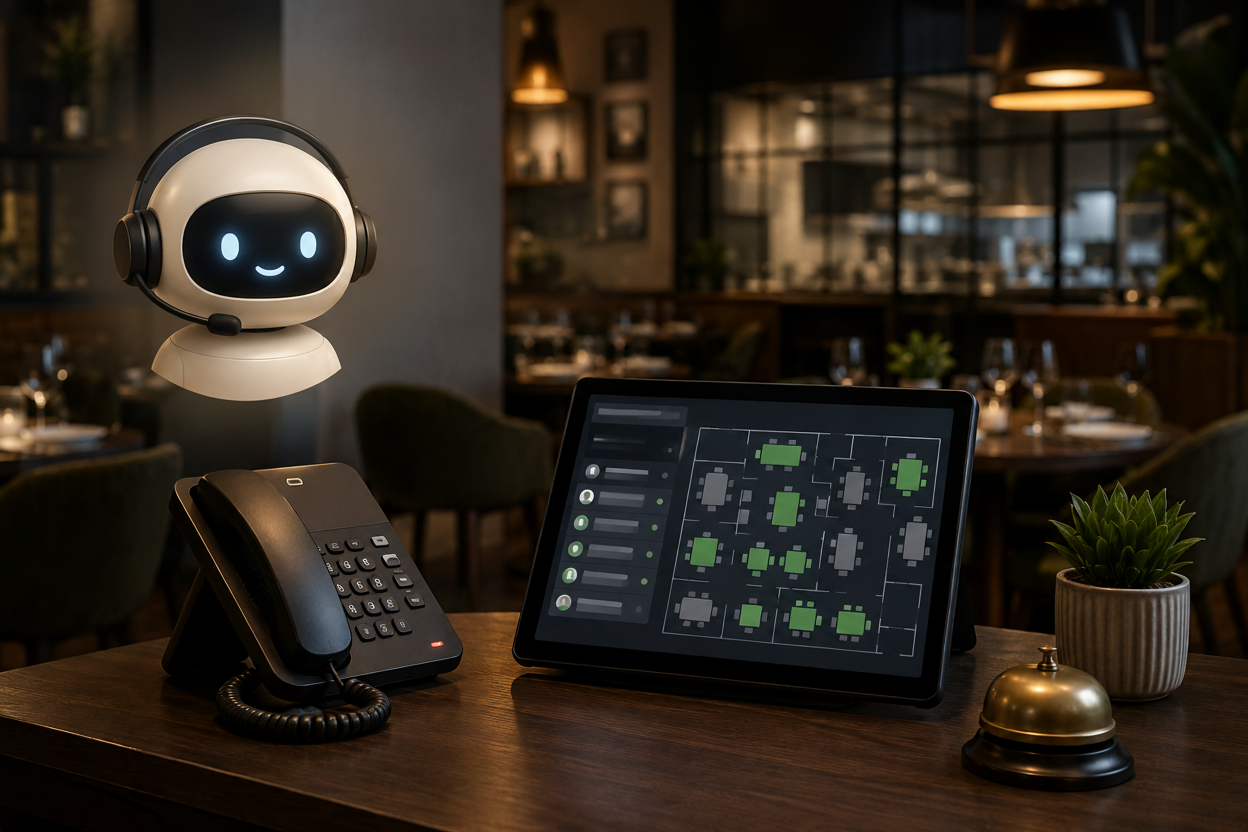
By analyzing this qualitative data, restaurants can make informed decisions about menu changes, staff training, and overall customer experience improvements.
As technology evolves, so does the landscape of restaurant reviews. We're seeing trends like:
Restaurants that keep up with these trends hold a real competitive edge. Loman AI is constantly building new capabilities to help restaurants move through this shifting restaurant technology environment and get the most from customer feedback.
Three shifts are reshaping how diners find and trust reviews right now. First, AI-powered search summaries pull review snippets directly into results pages, so a diner may read a three-sentence verdict about your food before they ever click your listing; a recent AI ranking factors for restaurants study found AI-recommended restaurants average 3.6 times more Google reviews than equally-rated restaurants that go unrecommended. Your review text, along with your star rating, now does marketing work at the top of the funnel. Second, short-form video reviews on TikTok and Instagram Reels have moved from trend to default for younger diners, and restaurant social media statistics show nearly half of Gen Z diners now check reviews on social platforms first. A 30-second clip of someone's first bite carries more weight with that audience than a paragraph of written praise. Third, review data is feeding directly into reservation and ordering platforms, and cloud restaurant reservation systems increasingly link waitlists and bookings straight to review scores. Aggregate scores and recent feedback now influence how your restaurant ranks inside apps where guests book tables or place orders. Each of these shifts means the words customers leave about you are doing more work across more surfaces than ever before.
The impact of reviews on restaurant success is undeniable. From influencing consumer decisions to providing valuable feedback for improvement, reviews play a central role in the modern restaurant industry. By adopting technology, engaging with customers, and continuously improving based on feedback, restaurants can put the power of reviews to work and thrive in a competitive market.
Remember, managing reviews effectively is an ongoing process. Tools like Loman AI's AI Phone Agent can help simplify customer interactions, potentially leading to more positive reviews and better overall customer satisfaction. Staying responsive to customer feedback keeps a restaurant's operation stable and its guests coming back. Crust Pizza reports its voice AI phone agent paid for itself in 10 days, an operator-reported result that shows how quickly the right tools can close the loop between feedback and growth.
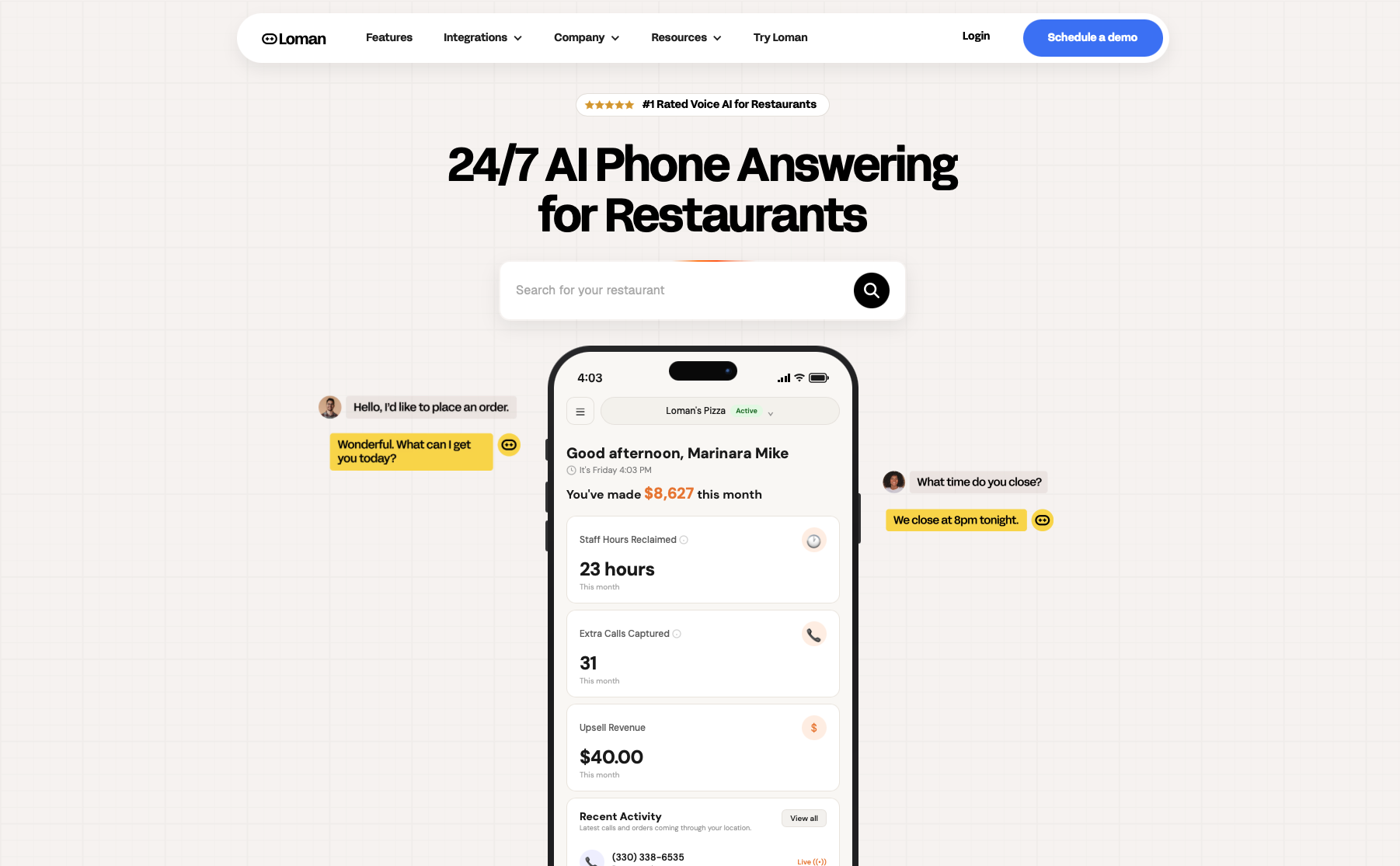
Restaurants that want more positive reviews need attentive service on every channel, including the phone. Loman AI's 24/7 voice agent answers every call, takes orders correctly, and books reservations without hold times or dropped calls, the exact friction points that end up in the review a guest writes later.
When a phone order goes smoothly, guests are more likely to leave a positive review, and staff gain the time to check feedback and reply within that 24-48 hour window that matters most. Loman AI reads the live menu, tracks 86'd items, and pushes orders straight into the POS, so the small mistakes that spark a negative review rarely reach the guest's plate in the first place.
Restaurants already using Loman AI report measurable results. Tony Boloney's added 75 to 100 extra orders per month per location, and Crust Pizza says its voice AI agent paid for itself in 10 days. Those gains free up time and budget to invest in the guest experience that earns five-star write-ups. See a demo of Loman AI to see how it could work for your restaurant.
While there's no magic number, most consumers consider restaurants with at least 40 reviews to be credible. However, the more recent and relevant reviews, the better.
Yes, if handled properly. Negative reviews provide an opportunity to show excellent customer service and let potential customers see that you take feedback seriously.
Ideally, restaurants should respond to all reviews within 24-48 hours. This shows attentiveness and can often turn a negative experience into a positive one.
No, paid reviews are unethical and can severely damage a restaurant's reputation if exposed. Focus on encouraging genuine reviews from real customers instead.
Reviews now shape everything from search visibility to reservation rankings, and restaurants that treat feedback as a growth driver, not a chore, come out ahead. Pair a genuine review strategy with tools that remove friction from the guest experience, like Loman AI's phone agent, and the five-star write-ups tend to follow on their own. Restaurants that check review platforms weekly, reply within a day or two, and fix recurring complaints build a reputation that compounds over time. Loman AI keeps the phone channel just as reliable, so callers get the same attentive experience diners praise online, turning routine service into a steady source of new five-star reviews.
Enter your information in the form to receive a call from Loman and place an order like a customer would!

