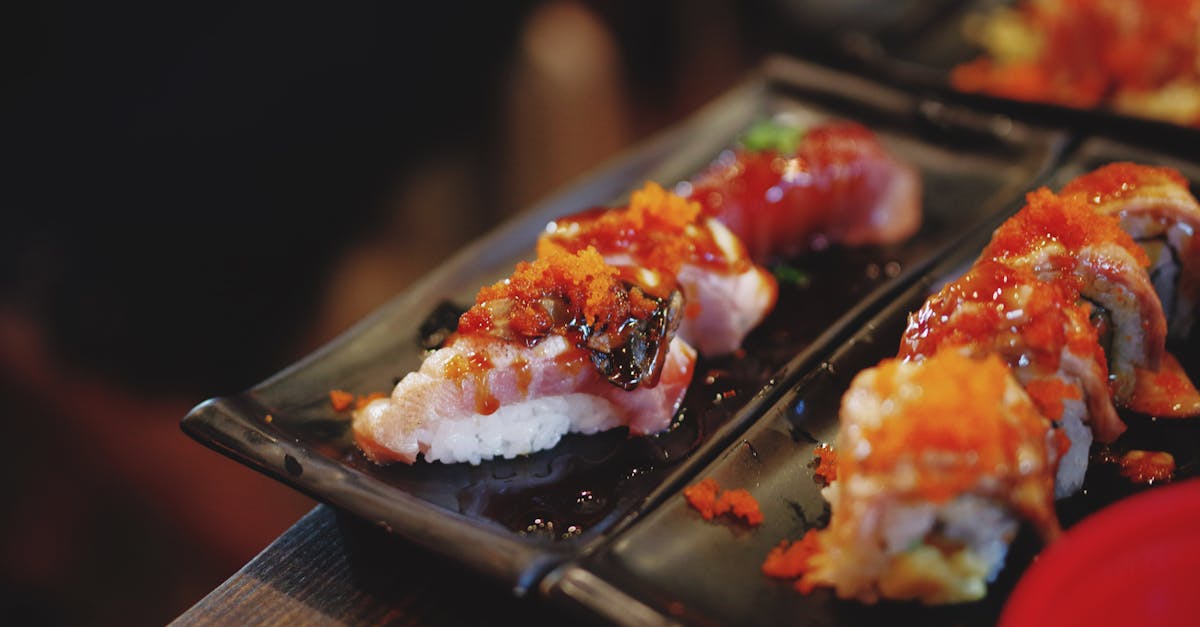
Your phone rings during a Friday dinner rush. The caller wants to know if the new Korean-Mexican short rib taco contains sesame, or whether the miso-glazed salmon can be made dairy-free. Your host is mid-seating a party of eight. Nobody picks up. The caller hangs up, the order never gets placed, and that ticket is gone for good. Research shows how missed calls drain restaurant revenue faster than most operators realize. Menus built around global flavors bring in curious, hungry diners. They also bring questions your staff may not be ready to answer at peak volume.
TLDR:
One of the most exciting trends in the restaurant industry is the emergence of fusion cuisine. Chefs are blending techniques and ingredients from different cultures to create unique and original dishes. For example, a recent case study looked at the successful merging of Latin American and Chinese cuisines, resulting in popular dishes that reflect the diversity of modern consumers. The same pattern shows up in the NRA's 2026 Culinary Forecast, which tracks cross-cultural combinations as a top menu driver. Some popular fusion combinations include:
These creative combinations excite diners while also challenging chefs to think outside the box and push culinary boundaries.
As global flavors gain popularity, there's also a growing emphasis on sourcing local ingredients. This trend creates an interesting interplay where international cooking techniques are applied to locally-sourced produce, meats, and dairy products. The result is a unique dining experience that combines global inspiration with local flavors. Penn State's 2026 food trends analysis confirms that bolder global flavors are among the key trends reshaping what diners order.
The influence of international cuisine goes beyond just the food on the plate. It's also changing how restaurants operate and interact with their customers.
Restaurants are now offering more diverse menus to cater to a wide range of tastes. This often means:
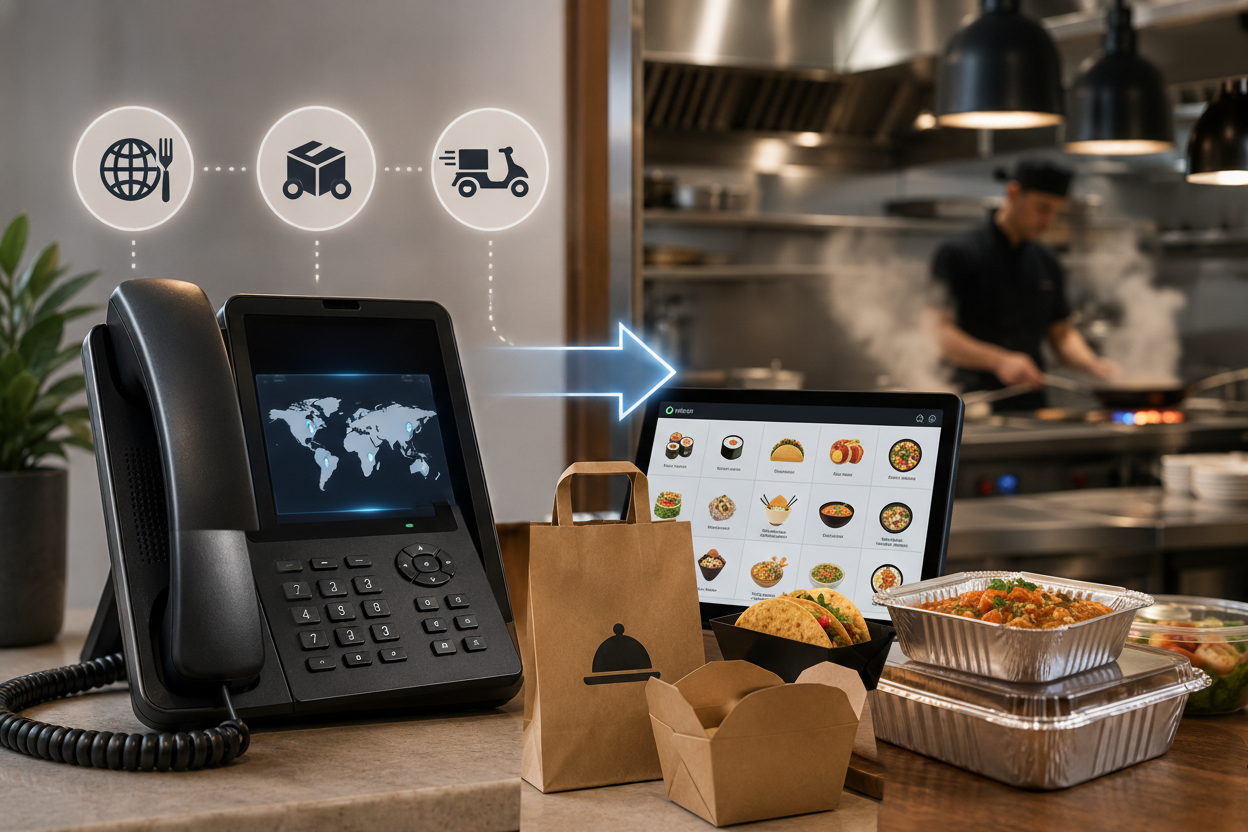
With the influx of global flavors, restaurant staff need to be well-versed in a variety of cuisines. Fielding allergen and dietary questions over the phone is one of the most common gaps. See how operators handle restaurant allergen call handling without pulling staff off the floor. This includes understanding:
To keep up with the complexities of offering diverse, globally-inspired menus, many restaurants are turning to technology. For a full look at what operators are adopting right now, see our guide on restaurant technology tools. This is where solutions like a dedicated voice AI phone agent come into play. By handling calls, taking orders, and answering questions about various menu items, a voice AI phone agent helps restaurants manage customer inquiries about their international offerings without tying up floor staff.
Social media has played a major part in popularizing global cuisines. Platforms like Instagram and TikTok have made it easier than ever for food enthusiasts to find and share exotic dishes from around the world. This virtual food tourism has inspired many to seek out these experiences in their local restaurants.A recent study found that exposure to international cuisines on social media strongly influences travel intentions to the countries of origin. This shows how food can serve as a powerful cultural ambassador, driving both local dining trends and international tourism. OpenTable's 2026 dining trends data shows that Thai cuisine dining rose 76% and Middle Eastern cuisine rose 34% year-over-year, a sign of how social media exposure translates directly into local restaurant demand.
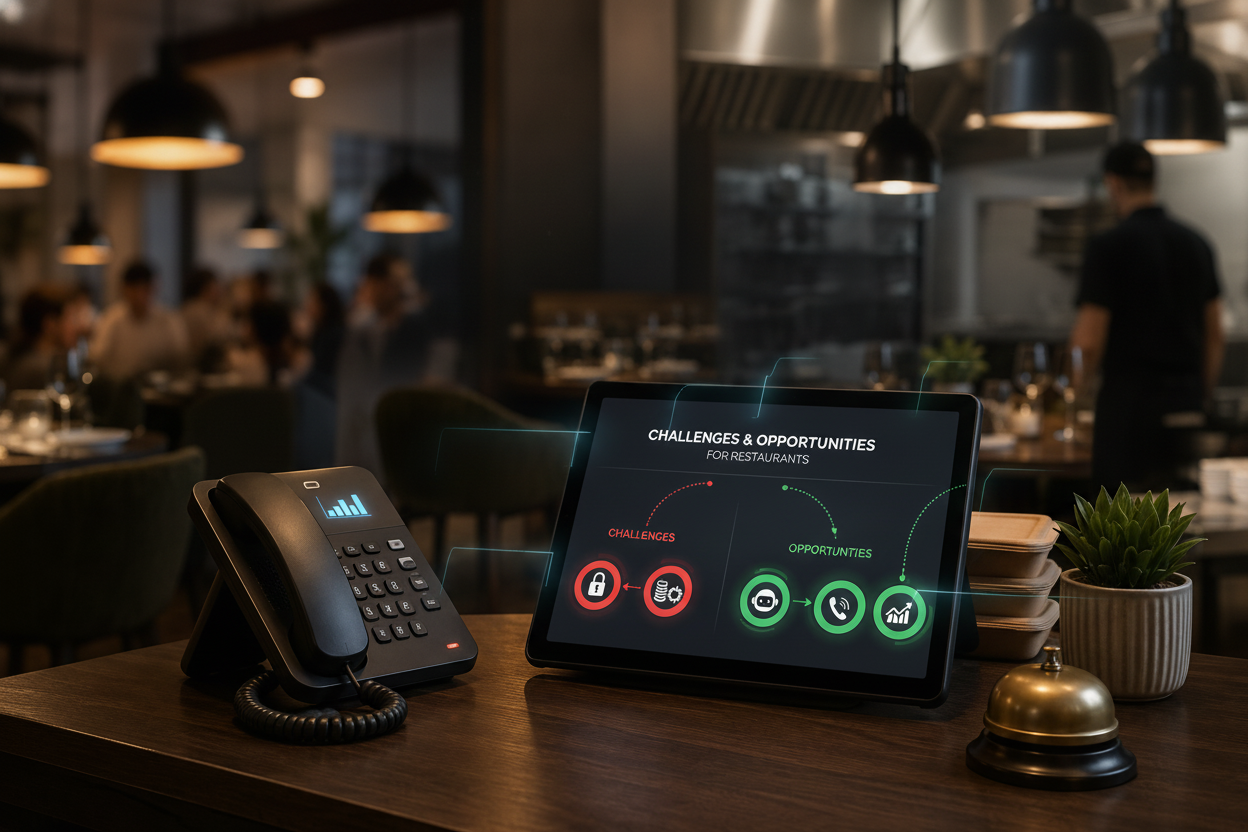
While the global cuisine trend offers exciting opportunities for restaurants, it also presents some challenges:
| Challenge | Opportunity |
|---|---|
| Sourcing authentic ingredients is costly | Local-global ingredient fusion creates distinctive menu identity |
| Staff need training on diverse cuisines | Cross-trained staff become genuine differentiators |
| Maintaining consistency across complex menus | Seasonal rotating menus build repeat visits |
| Meeting higher customer expectations for authenticity | Knowledgeable diners become loyal regulars |
| Managing high call volumes about menu questions | AI phone agents answer menu questions 24/7, freeing staff |
Obtaining genuine, high-quality ingredients for international dishes can be difficult and expensive. Restaurants must balance authenticity with practicality and cost-effectiveness.
With more complex menus and cooking techniques, maintaining consistent quality across all dishes becomes more challenging. This is where staff training and standardized processes become critical.
As diners become more knowledgeable about international cuisines, their expectations for authenticity and quality increase. Restaurants must strive to meet these expectations while also putting their own unique spin on dishes.
Global menus are a draw, but they come with a phone problem. Every new dish on your menu is a new round of incoming questions: Is there sesame in the marinade? Can we swap the dairy? What goes in the sauce? At peak hours, your staff cannot stop to answer all of it, and callers who get a busy signal or a voicemail rarely wait around.
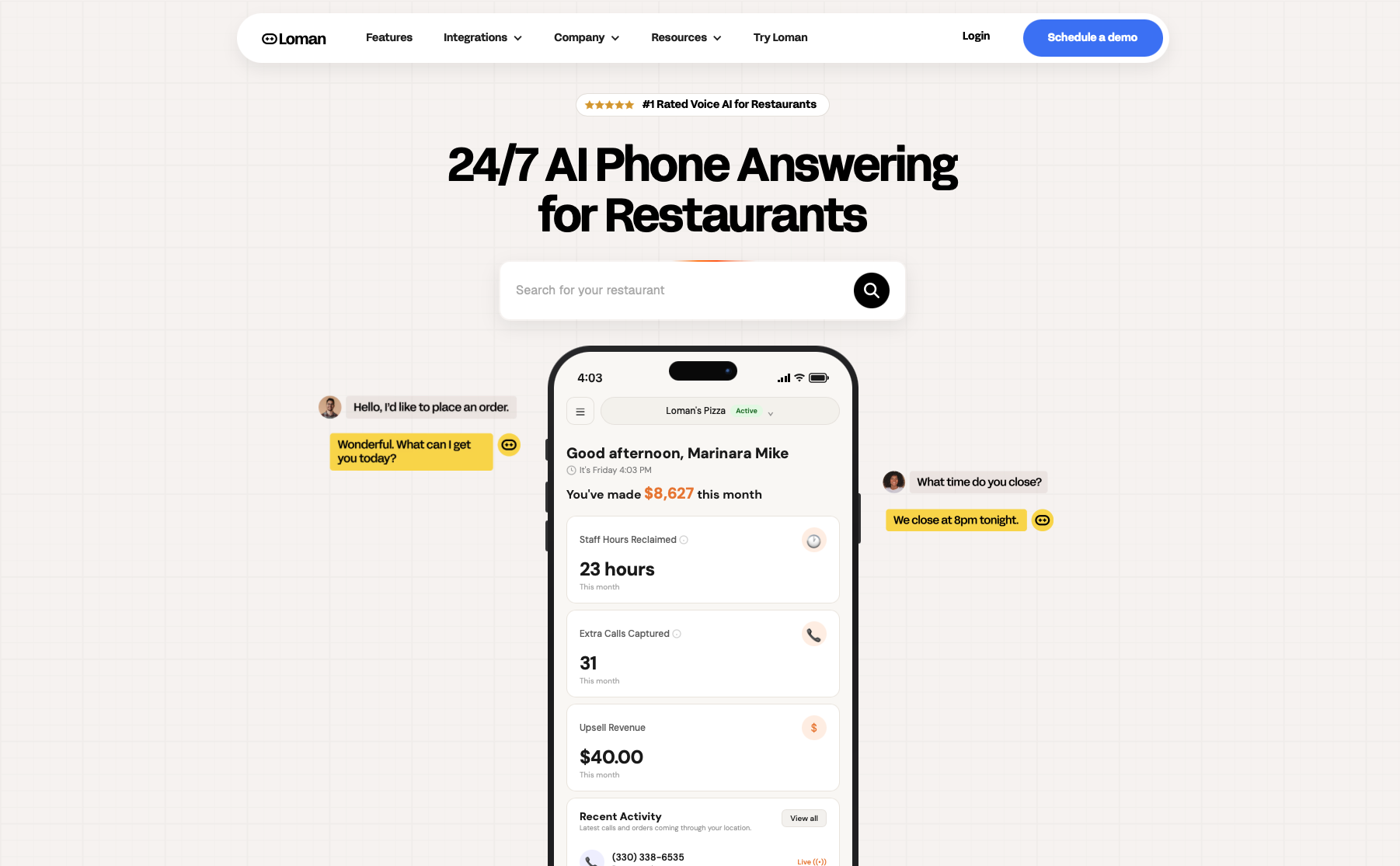
Loman handles this by reading your live menu in real time and answering allergen, ingredient, and customization questions accurately, around the clock, with no staff involvement. Loman's AI phone agent takes the full order and pushes it directly to your POS. Operators using Loman have reported up to 23% higher revenue per order and up to 17% lower labor costs, both figures attributed to operators currently running the system in production restaurants.
The result is a dinner rush where your floor staff stay on the floor, your callers get real answers, and orders that would have been lost to hold times keep coming in. If you want to watch it work on a real menu, see it live.
Sourcing authentic ingredients tops the list: specialty items like gochujang, miso, or yuzu can carry high import costs, and supply chains for those ingredients are unpredictable enough that a single disrupted shipment can pull a dish off your menu mid-week. Staff knowledge gaps are a close second, because a server who cannot explain what goes into a Korean-Mexican short rib marinade or a Japanese-Peruvian ceviche loses the diner's confidence fast. On top of that, diners who discover a cuisine through social media or travel arrive with strong opinions about what the dish should taste like, and any shortcut in technique or ingredient shows. Keeping quality consistent across a globally-inspired menu while holding labor and food costs in check is the day-to-day pressure that separates restaurants that succeed with international menus from those that pull back to safer ground.
Restaurants can cross-train staff on every cuisine on the menu so any team member can answer ingredient, technique, or allergen questions accurately during a rush. Documenting allergen data for each dish in a written reference your team can pull up quickly reduces errors and protects guests with dietary restrictions. For high call volumes, technology handles the overflow: a restaurant-specific voice AI agent reads your live menu in real time, answers allergen and customization questions, and takes full orders around the clock without pulling anyone off the floor. Pairing cross-trained staff with the right tools keeps service moving even when the menu is complex. See how operators approach AI order taking for restaurants to handle customer inquiries accurately without adding staff.
Dishes built around unfamiliar ingredients, regional techniques, or cross-cultural flavor combinations naturally prompt callers to ask questions before ordering. A diner unfamiliar with a Korean-Mexican short rib taco wants to know about allergens, spice level, or substitutions before committing. The more distinctive and varied the menu, the higher the volume of pre-order questions, and the harder it becomes for a two- or three-person front-of-house team to handle those calls during a dinner rush without pulling attention away from the floor.
Most restaurants rely on staff knowledge, which becomes a bottleneck when call volume spikes at the same time the dining room fills. The better approach is to document allergen data for every dish in a format that can be surfaced quickly, whether by a trained staff member or a restaurant-specific voice AI agent that reads your live menu in real time. When the agent knows that the miso-glazed salmon contains soy and the Korean short rib marinade contains sesame, those answers go back to callers instantly, accurately, and without pulling anyone off the floor. For a closer look at how this works in practice, see how operators are handling restaurant allergen call handling without tying up staff.
Yes. More than 67 million people in the U.S. speak a non-English language at home, and restaurants in multilingual communities often see a meaningful share of their call volume come from non-English speakers. A globally-inspired menu that reflects diverse culinary traditions can actively attract those diners, but only if the phone experience matches. Callers who cannot get answers about ingredients or place an order comfortably in their preferred language are far less likely to complete the transaction. Restaurants that support bilingual or multilingual phone interactions capture a segment of demand that English-only phone coverage simply leaves on the table.
Restaurants that lean into global flavors, invest in staff who can speak to those dishes, and put the right technology in place to handle the call volume those menus generate are the ones that keep their floors moving and their phones answered. With a well-trained team and a voice AI phone agent like Loman fielding allergen questions, special requests, and order calls around the clock, you stay in control of the guest experience from the first ring to the final plate. If you want to see how that works in practice, book a demo.
Enter your information in the form to receive a call from Loman and place an order like a customer would!

